Holly Note Font: A Cozy Handwritten Typeface for Business Branding
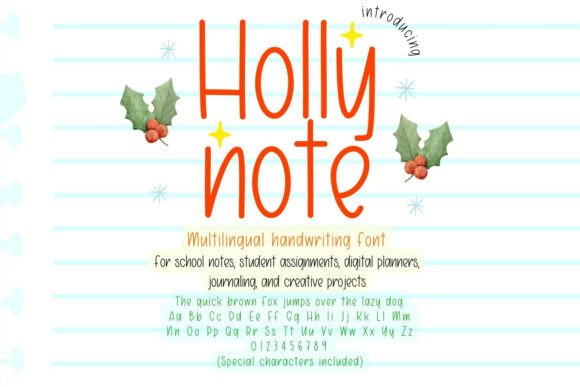
As a small business owner, I’m always looking for ways to make my brand feel more personal and polished. That’s why I was excited to discover Holly Note — a soft, handwritten script font that brings a warm, intentional feel to everything from packaging to social media posts. It’s the kind of font that says, “I care about the details,” without looking overly designed or stiff.
Holly Note falls into the Script Amp category, which means it’s expressive, slightly decorative, and perfect for when you want your brand to feel approachable yet professional. The font was inspired by winter mornings, handwritten lists, and holly leaves — and that cozy, intentional energy comes through in every letter.
How Holly Note Elevates Everyday Business Materials
One of the biggest challenges for small brands is consistency. You want your logo, packaging, and social media to feel like they belong to the same business — and that’s exactly where a well-chosen font like Holly Note can help.
I’ve used it for a few different client-facing materials, and here’s where it really shines:
- Product labels – Especially for handmade candles, herbal teas, or small-batch skincare. The softness of the font makes your product feel personal and crafted.
- Thank-you cards – Whether it’s a printed insert in a shipment or a digital message, Holly Note gives a handwritten, thoughtful vibe.
- Social media graphics – Great for quote posts, product announcements, or holiday promotions. It reads well even at smaller sizes on mobile screens.
- Website headers and banners – Used sparingly, it adds a human touch to an otherwise clean layout.
- Packaging design – From gift tags to tissue paper, this font helps create a cohesive unboxing experience.
When to Use Holly Note in Your Branding
This isn’t a font you want to use for long paragraphs or technical product descriptions. Instead, think of it as a display font or accent font — something that highlights key messages or adds warmth to your brand visuals.
For example, you might use Holly Note for your business logo if you run a cozy café, a lifestyle blog, or a boutique stationery shop. It works beautifully in headlines, taglines, and short phrases where you want to stand out and feel more personable.
On the other hand, if your brand leans more minimalist or tech-focused, you may want to use Holly Note only as a supporting typeface — like for holiday greetings or seasonal promotions.
Pairing Holly Note with Other Fonts
One of the best ways to make any decorative font work in a professional setting is to pair it with something clean and readable. For example:
- Pair Holly Note with a sans serif font like Montserrat or Lato for headings and body text.
- Use it alongside a simple serif font like Merriweather or Playfair Display for a more elegant, timeless look.
- Combine it with another script font for contrast — just make sure they don’t compete for attention.
This kind of font pairing helps maintain visual interest while keeping your brand easy to read and understand.
Real-World Examples of Holly Note in Use
Let me share a few examples of how I’ve seen small businesses use Holly Note effectively:
- Bakery branding – Used for the shop’s name on signage and cupcake tags, paired with a clean sans serif for ingredient lists.
- Candle packaging – A handmade candle brand used Holly Note for the scent name on the label, giving it a personal, artisan feel.
- Coaching website headers – A life coach used it for motivational quotes and callout text, helping visitors feel welcomed and inspired.
- Café menus – The font was used for drink names, while a more structured font handled the prices and descriptions.
- Online shop branding – For a boutique selling cozy home goods, Holly Note was used across Instagram stories and product titles to create a consistent, inviting look.
Readability Matters — Even with Decorative Fonts
It’s easy to fall in love with a font’s personality, but you also need to make sure it works in real-life situations. I tested Holly Note across a few different formats and found it surprisingly readable — even at smaller sizes.
It holds up well on printed packaging, product tags, and mobile screens. That’s important because your font needs to work in the real world — not just in your design software. If customers can’t quickly read your product label or social media post, you’re losing a chance to connect with them.
Test Before You Commit
Before using Holly Note across your entire brand, I recommend testing it in a few different contexts. Try it on mockups of your packaging, print a sample business card, or preview it on your website. Does it still feel right at a smaller size? Does it match your brand’s tone and target audience?
Also, keep in mind that fonts affect how people perceive your business. A clean, modern font might make your brand feel more high-end, while a handwritten font like Holly Note gives off a more personal, artisanal vibe. Neither is better — just different. Choose based on the impression you want to make.
Check Licensing Before Use
If you’re planning to use Holly Note on physical products, packaging, or digital templates you sell, make sure to check the font’s licensing terms. Not all fonts are approved for commercial use, especially in merchandise or client work.
Most premium fonts like Holly Note come with a commercial license, but it’s always good to double-check what’s allowed. You don’t want to invest time and money into branding, only to find out later that you’re not legally allowed to use the font in the way you need.
Why Holly Note Works for Small Brands
At the end of the day, your brand should feel like it represents who you are and what you offer. Holly Note helps small businesses create that sense of warmth and intention — without sacrificing professionalism.
Whether you’re designing a new logo, updating your packaging, or creating social media content, this font adds a human touch that customers respond to. It’s not just a font — it’s part of your brand identity, and that’s why it’s worth getting right.